Your Voice and Your Health: Kara Toll
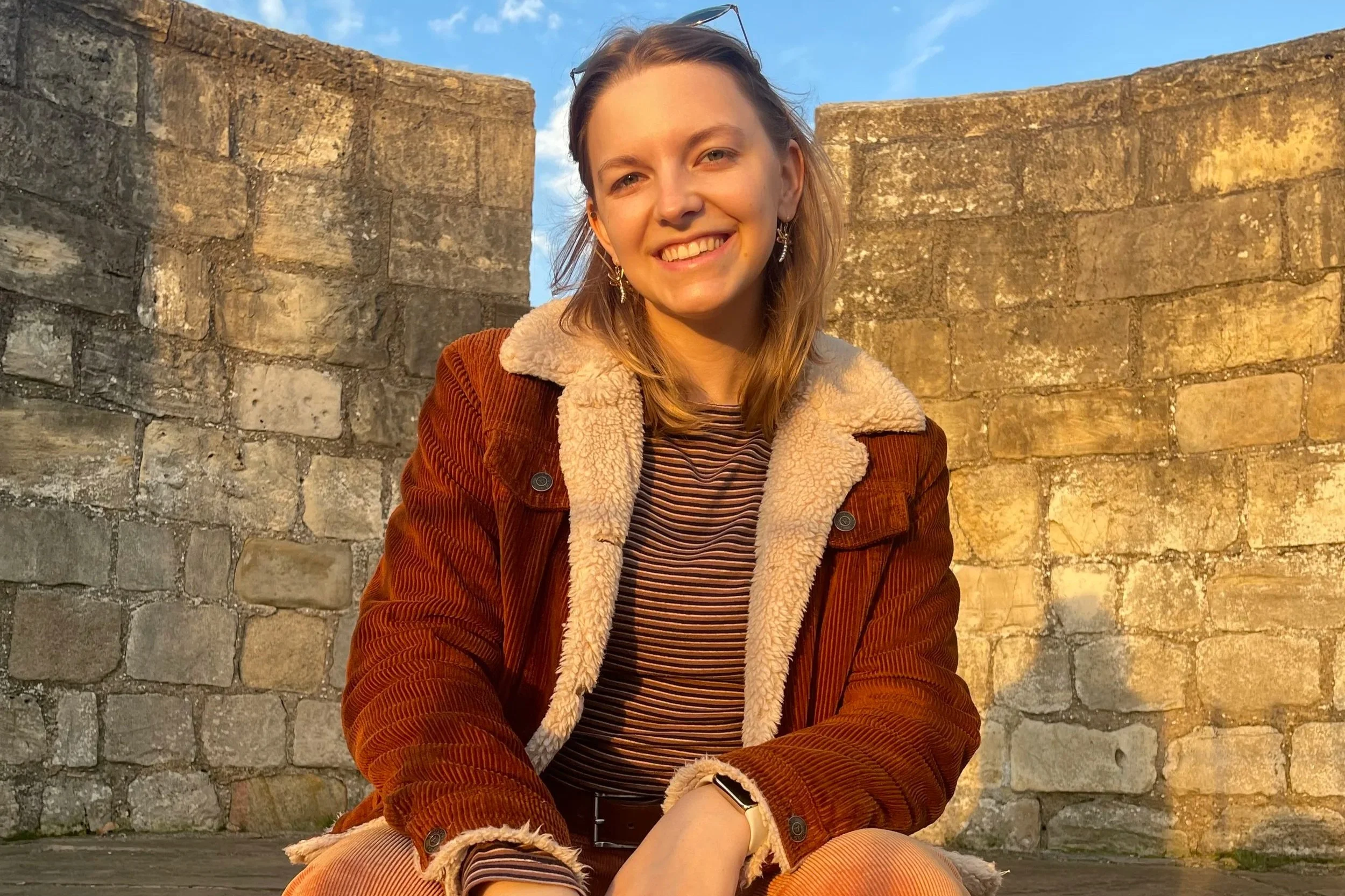
Hey folks – my name is Kara, and I work at the Teen Health Lab at Northwestern University, where I run our Youth Advisory Council (YAC). The YAC is a group of LGBTQ+ teens who share their perspectives with us to help guide our work.
There are two main reasons that I love working on the YAC: for one, adults have a lot to learn from youth (which they forget a lot!). Being a teen in 2026 is different from what it was in 2016, or 2006, or 1996…so youth always have new insights to share. Second, programs for young people don’t just teach adults; they also help teens learn, grow, and even stay healthier. There’s plenty of research out there that shows this, but I can also speak from my own experience.
As a high schooler, I was part of my school’s Diversity Action Group (DAG), a club where students talked about our diverse life experiences, thought about ways to make our school more inclusive, and even helped create workshops that were delivered in classes at our school. DAG lunch on Wednesdays was my favorite time of the week – our discussions made me feel heard as a queer student, challenged me to see other points of view, and helped me develop beliefs and values that I felt confident in. As a teenager who struggled with my mental health and isolated myself a lot, DAG gave me a community, meaningful discussions to look forward to, and something to feel proud of – which made it an important part of my journey to mental wellness.
Groups like DAG helped me build connections and develop my own identity and values. In a time in my life with a lot of self-doubt, these experiences were so important for helping me see my worth. But you don’t have to just take my word that these kinds of programs can be good for your well-being- there’s research to back it up, too!
Studies have shown that when people are part of a group where they feel like they belong, their mental health gets better. Plus, there’s some evidence that says joining multiple different types of groups can make that effect even stronger. A sense of purpose can also boost your mental health, so when you add feelings of group connectedness + a shared purpose (like making your school more inclusive), that combination is great for your brain! On top of that, community connectedness can make your body healthier by strengthening your immune system, reducing inflammation, and even helping you get better sleep.
As someone who first participated in, and now helps oversee, programs that center teen voices, I believe strongly in the power of uplifting youth perspectives. If you’re a young person, you should know that you can make a real difference for your community by making your voice heard – and on top of that, you can also make your own life better, too.
If you want to learn more about the benefits of social connectedness, belonging, and a sense of purpose, take a look at these:
https://www.cdc.gov/social-connectedness/about/index.html
https://policylab.chop.edu/blog/sense-purpose-can-support-teen-mental-health
https://www.psychiatry.org/news-room/apa-blogs/purpose-in-life-less-stress-better-mental-health